A room-by-room apartment inspection checklist for renters who want a better record.
Apartments have repeat problem areas
An apartment inspection checklist should focus on the places where rental disputes often start: flooring, walls, appliances, plumbing, doors, windows, and cleanliness. Apartments change tenants often, so small issues can get passed from one renter to the next unless someone documents them.
You do not need construction expertise. You need patience, decent lighting, and a consistent room-by-room process.
Kitchen and bathroom deserve extra attention
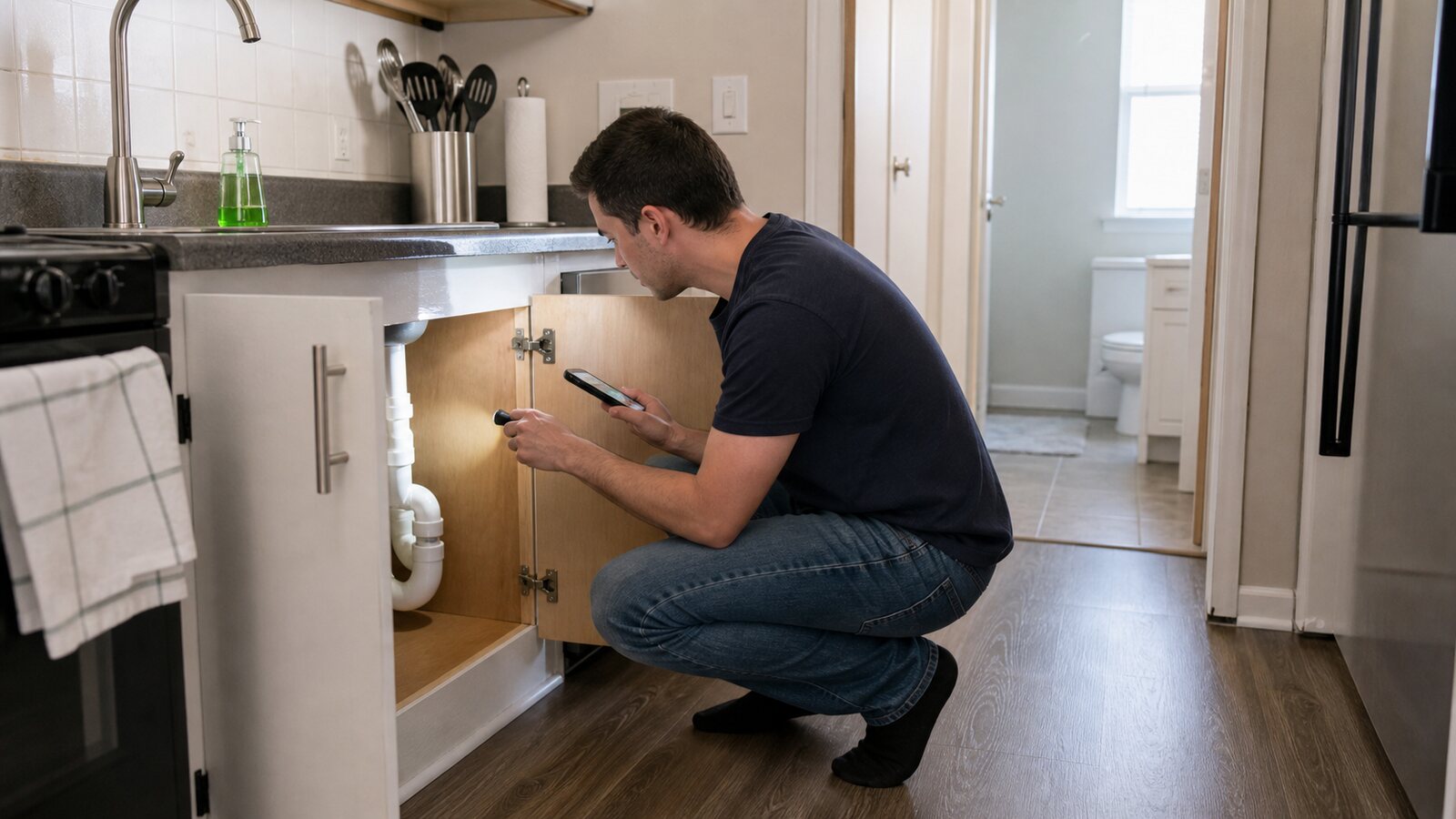
In the kitchen, inspect the oven, stovetop, refrigerator, dishwasher, sink, disposal, cabinets, countertops, and flooring around appliances. Photograph stains, dents, missing shelves, cracked drawers, loose handles, and water marks.
In bathrooms, check the tub, shower, toilet, sink, vanity, mirror, fan, towel bars, tile, caulk, and flooring. Water damage and mildew are easier to discuss when the condition was documented at move-in.
Do not forget building-specific details
Apartments often include shared or semi-private areas such as balconies, patios, storage closets, parking spaces, mailboxes, and laundry rooms. If your lease makes you responsible for any of those areas, include them in your inspection.
Also document access items: keys, fobs, garage remotes, mailbox keys, parking tags, and gate cards. A quick photo of what you received can prevent confusion later.
Turn the checklist into a report
A checklist is useful while you inspect. A report is useful later. After the walkthrough, organize your notes and photos into a format you can send, save, and understand months from now.
TenantCircle uses the same basic idea: room first, photos attached to that room, notes in context, and a shareable inspection report. That structure matters more than the tool itself.
How to use this guide without overthinking it
Do the inspection in one pass, in daylight if possible, and keep your pace steady. Open the room, take the wide photos first, then move around the walls, fixtures, closets, flooring, windows, doors, and built-ins. If you see something that might matter later, document it in the moment instead of trying to decide whether it is “serious enough.” Small details are easier to ignore later than they are to recreate.
After you finish the apartment inspection checklist, take ten minutes to review the record before sending it. Make sure every photo belongs to a room, every issue has a short location note, and the inspection date is obvious. Then share a copy with your landlord or property manager and keep proof that you sent it. This is the simple habit that turns a checklist into a useful security deposit record.
Apartment inspection checklist: quick checklist
- Inspect kitchen appliances inside and out.
- Check bathrooms for leaks, stains, loose fixtures, and damaged caulk.
- Document flooring, walls, windows, doors, and closets in every room.
- Include balcony, patio, storage, and parking areas if applicable.
- Record keys, fobs, remotes, and access cards received.
FAQ
What is an apartment inspection checklist?
It is a room-by-room list renters use to document apartment condition at move-in or move-out.
How long does an apartment inspection take?
A careful inspection usually takes 30 to 90 minutes, depending on size and condition.
Should I inspect common areas?
Document areas you are responsible for, such as balconies, patios, storage closets, or assigned parking.
Can I use the same checklist for move-in and move-out?
Yes. Reusing the same rooms and items makes comparison much easier.
Turn the walkthrough into an organized report
TenantCircle keeps room notes, photos, dates, and signatures together so the record is easier to review and share while the condition is still fresh.
View on the App Store See how the renter app works