Rent Manager property inspections are easier to manage when scheduling, checklists, documentation, tenant notifications, and maintenance follow-up all follow a consistent process.
Rent Manager Property Inspections
As a property manager, one of your key responsibilities is ensuring that properties remain in top shape throughout a tenant's stay. Inspections, whether for move-in, move-out, or routine maintenance, are crucial for documenting the condition of a rental unit and preventing disputes down the road.
If you use Rent Manager for property management, the inspection process should fit cleanly into the rest of your workflow. This guide covers practical strategies and best practices to help you optimize property inspections while keeping your team organized.
Why Property Inspections Matter
Before streamlining inspections, it helps to clarify why inspections matter in the first place. A consistent inspection process protects the property, reduces disputes, and creates a documented history of condition over time.
Property inspections help ensure the condition of the property is maintained and that necessary repairs are handled before they become larger, more expensive problems. Clear documentation during move-in and move-out also protects both landlords and tenants by reducing the chance of security deposit disputes.
Regular inspections can also support compliance with lease expectations around property care, cleanliness, and maintenance. When you manage multiple properties, making inspections efficient becomes critical.
Integrating Inspections into Your Rent Manager Workflow
Rent Manager helps teams stay on top of rent collection, maintenance requests, tenant communication, and property records. Adding a repeatable inspection process to that workflow can make property management more consistent and less reactive.
1. Schedule Inspections in Advance
The first step to streamlining property inspections is scheduling them well in advance. Within Rent Manager, you can set up calendar reminders and schedule inspections at key points such as move-in, move-out, and lease renewal periods. This helps ensure that inspections are not missed or delayed.
Pro tip: group inspections by property location or tenant move-out dates to reduce travel time and optimize your day. With task management, your team can keep track of upcoming inspections before they become urgent.
2. Use a Consistent Inspection Checklist
To make sure no details are missed, use a rental inspection checklist for every inspection. A consistent checklist keeps your process repeatable across properties, tenants, and team members.
A strong checklist should cover exterior areas such as yards, driveways, fences, and outbuildings; interior areas such as floors, walls, ceilings, windows, and doors; and appliances and fixtures such as kitchen appliances, HVAC units, and plumbing fixtures.
Consistency makes inspections faster and helps your team avoid overlooking small issues that could become larger problems later.
3. Leverage Photos and Videos for Documentation
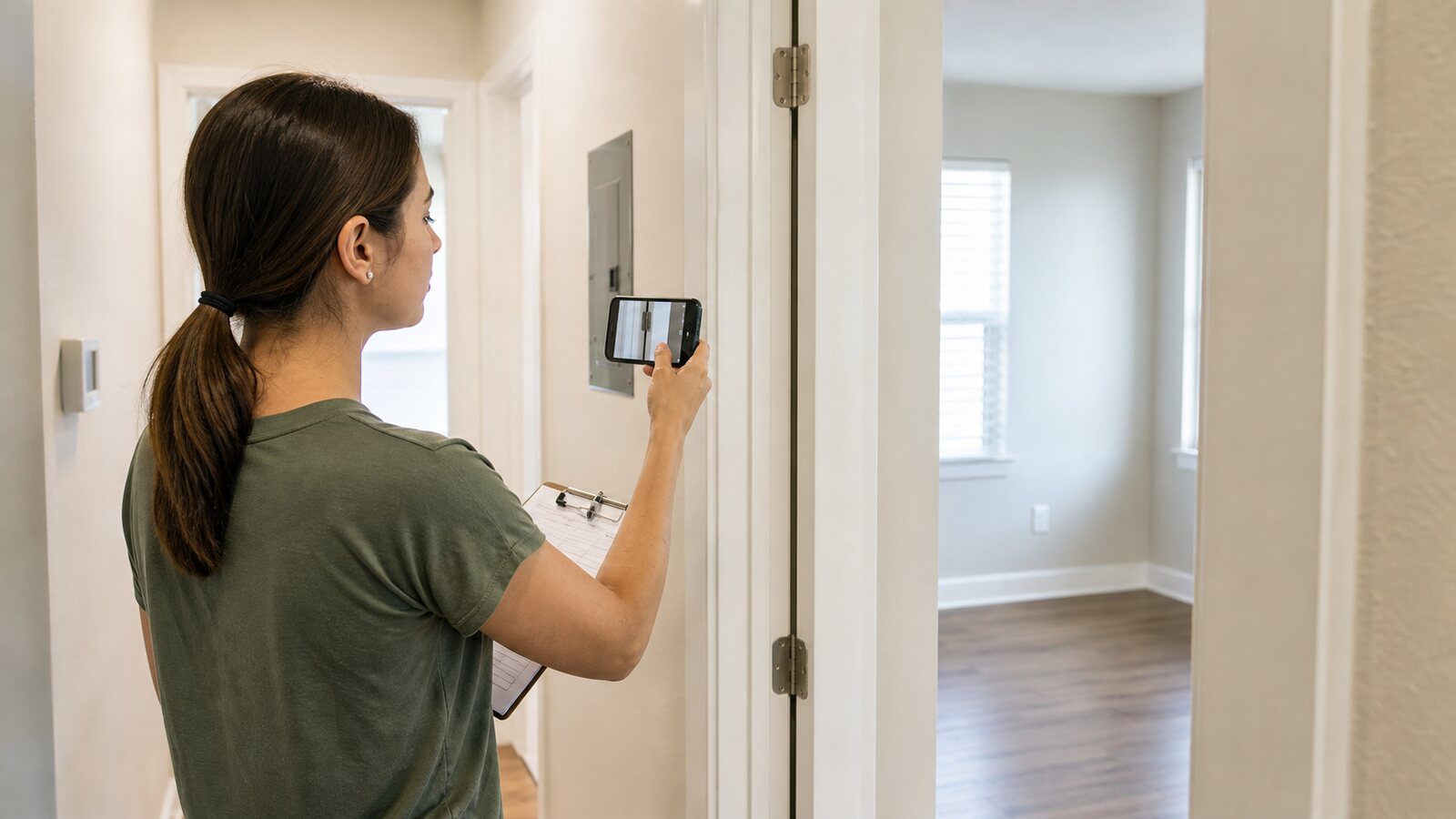
Photos and videos provide a clear record of property condition, which can be critical in the event of a dispute. Rent Manager can store files on tenant or property profiles, making photos, videos, and other inspection records easier to access later.
Pro tip: make sure photos and videos are time-stamped. Clear timing helps protect your team if there is a disagreement over when damage existed or when a condition was documented.
4. Automate Tenant Notifications
Streamlining inspections is not only about making things easier for your team. It also helps make the process clearer for tenants. Rent Manager tenant communication features can notify tenants when an inspection is scheduled and explain what to expect.
Automated notifications prevent last-minute surprises, give tenants time to prepare, and make the inspection process smoother for everyone involved.
5. Track Repairs and Maintenance Requests
After an inspection, your team may have a list of repairs or maintenance tasks to handle. Rent Manager maintenance tracking features can help log needed repairs and create work orders quickly.
This keeps inspection findings connected to follow-up work and helps ensure that issues identified during inspections are addressed in a timely manner.
Best Practices for Efficient Property Inspections
Standardize the inspection process across every property. Use the same checklist and documentation steps so it is easier to compare inspections over time and identify recurring issues.
Do not limit inspections only to move-in and move-out. Periodic walk-throughs every six to twelve months can help identify maintenance needs before they become costly repairs.
After each inspection, follow up quickly on maintenance requests or repairs that need attention. Fast follow-up keeps properties in better condition and reduces tenant frustration.
Streamlining Property Inspections for Better Management
By integrating property inspections into your Rent Manager workflow, you can save time, reduce disputes, and keep your properties better maintained. Scheduling inspections, using a consistent checklist, and using built-in tools for documentation and tenant communication all help streamline the process.
Whether you manage one property or fifty, a clear inspection system can make property management smoother and protect your investment for years to come.
How to use this guide without overthinking it
Do the inspection in one pass, in daylight if possible, and keep your pace steady. Open the room, take the wide photos first, then move around the walls, fixtures, closets, flooring, windows, doors, and built-ins. If you see something that might matter later, document it in the moment instead of trying to decide whether it is “serious enough.” Small details are easier to ignore later than they are to recreate.
After you finish the Rent Manager property inspections, take ten minutes to review the record before sending it. Make sure every photo belongs to a room, every issue has a short location note, and the inspection date is obvious. Then share a copy with your landlord or property manager and keep proof that you sent it. This is the simple habit that turns a checklist into a useful security deposit record.
Rent Manager property inspections: quick checklist
- Schedule move-in, move-out, renewal, and routine inspections in advance.
- Use the same checklist structure across every property.
- Attach time-stamped photos and videos to the right tenant or property record.
- Notify tenants before inspections so expectations are clear.
- Turn inspection findings into maintenance tasks or work orders quickly.
FAQ
Can Rent Manager help with property inspections?
Rent Manager can support scheduling, tenant communication, file storage, and maintenance follow-up. A dedicated inspection workflow or mobile documentation process can make those records easier to complete and review.
What should a property inspection checklist include?
Include exterior areas, interior rooms, floors, walls, ceilings, windows, doors, appliances, fixtures, HVAC, plumbing, and notes for repairs or tenant follow-up.
How often should property managers inspect rentals?
Many teams inspect at move-in and move-out, then add periodic walk-throughs every six to twelve months depending on lease terms, local rules, and property needs.
Why are photos and videos important for inspections?
Photos and videos create visual evidence of condition, support repair decisions, and reduce disputes when they are organized, time-stamped, and tied to the correct property record.
Turn the walkthrough into an organized report
TenantCircle keeps room notes, photos, dates, and signatures together so the record is easier to review and share while the condition is still fresh.
View on the App Store See how the renter app works